
Solar thermal tech represents a huge untapped opportunity for cold chain operators in Europe
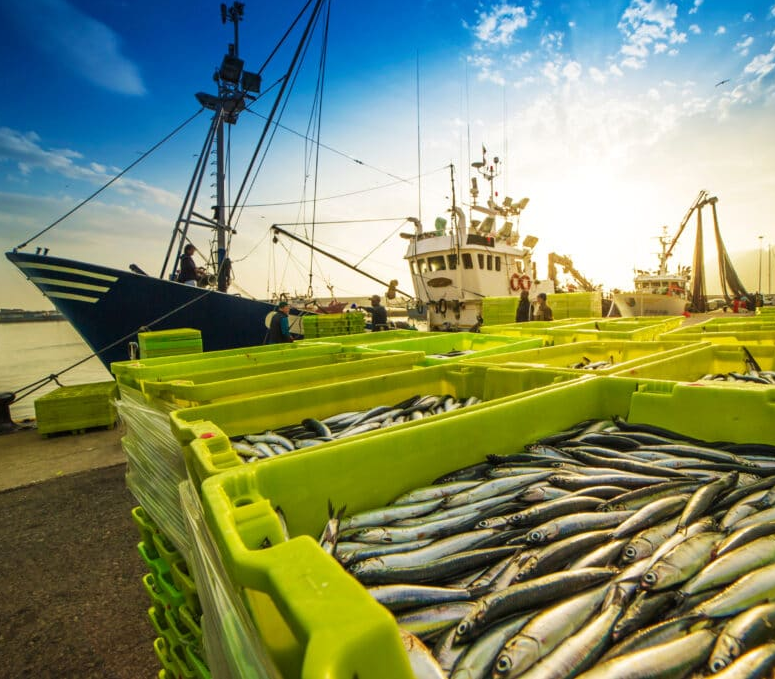
Over two million tonnes of fish, fruits, vegetables and meat are frozen annually in the cold storage facilities of Spain, Italy, Portugal and Greece. To preserve their nutritional value, they have frozen very quickly and to be stored at very cold temperatures, which takes a lot of energy.
Cold chain facilities produce their bitter cold temperatures with industrially sized absorbtion chillers that are more efficient & reliable for that size, but depend on heat to work. Today, cold chain operators derive their heat from natural gas.
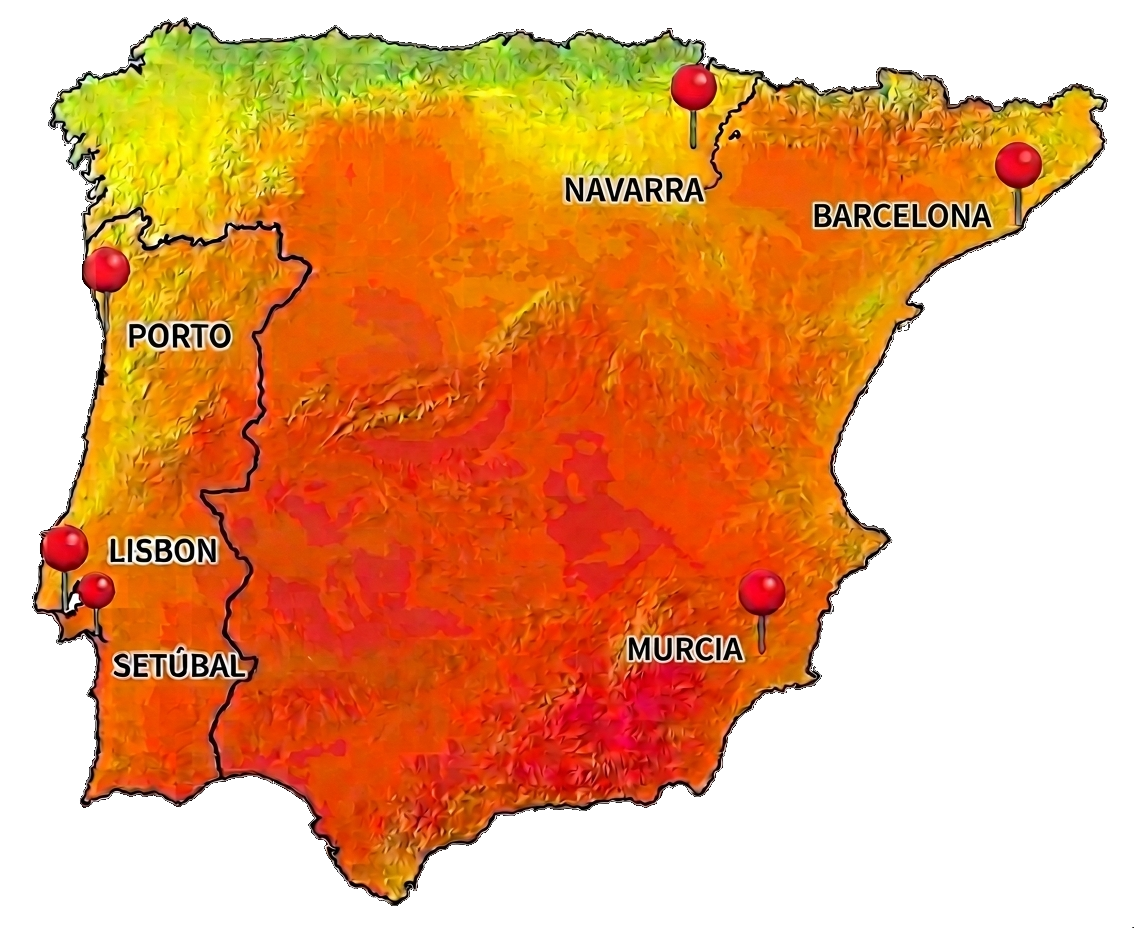
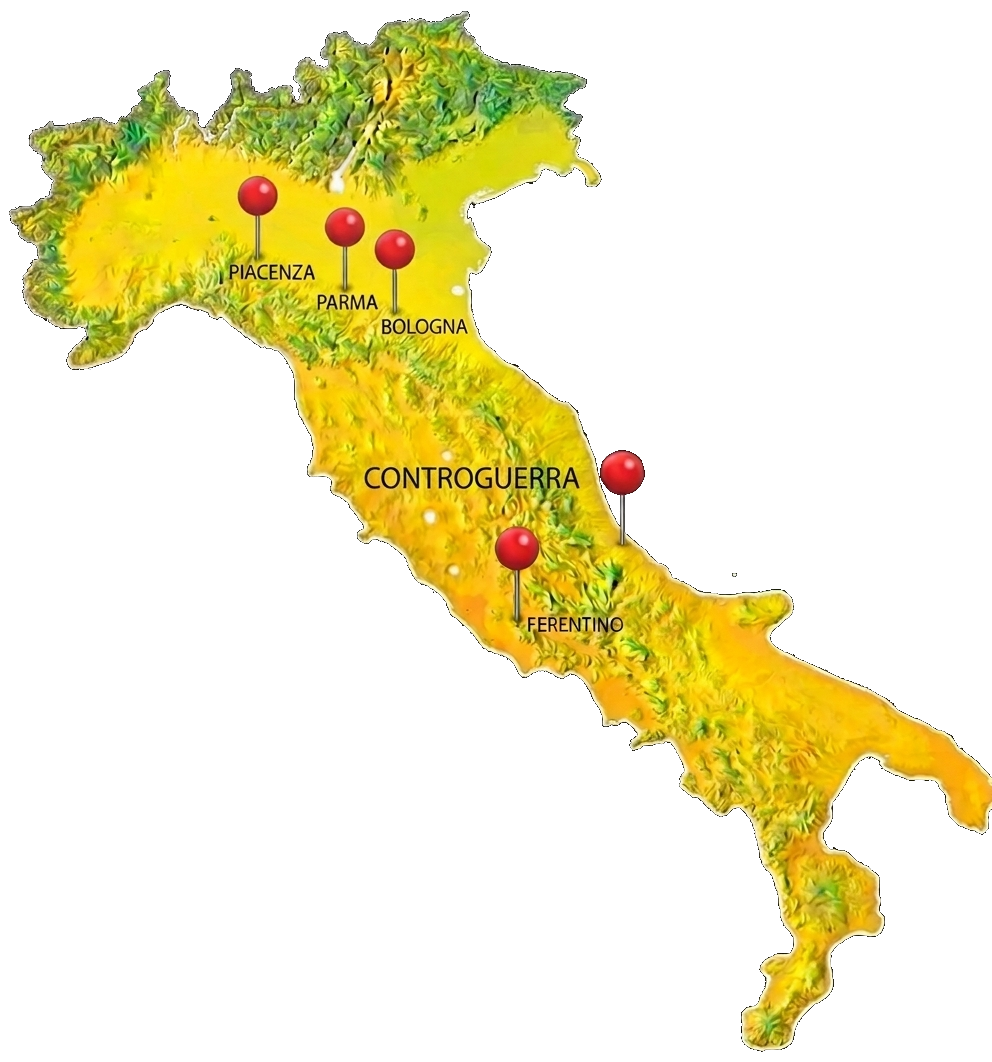
Solar Intensity (DNI) by Cold Storage Locations

Annual cold chain facilty CO2 emissions are significant
Using freely-available hour-by-hour solar irradiation data collected by governments, as above for Portugal, Spain & Italy, Focal Line Solar can accurately calculate the replacement solar thermal energy cost for nearly any location worldwide, either with optimized thermal storage for 24-hour operation or without.
Taking the four largest cold storage facilities in Spain, Italy, Greece & Portugal as examples, Focal Line Solar's technology can reduce each plants' natural gas consumption to zero (0) for 10 months of the average year and still supply steam at costs lower than natural gas.
| Location | Food Storage [m3] |
Thermal Energy [MWh/y] |
CO2 Emitted [tonnes] |
|---|---|---|---|
| Aspropyrgos, Greece | 1,000,000 | 99,460 | 18,572 |
| Piacenza, Italy | 600,000 | 60,532 | 11,417 |
| Navarra, Spain | 566,000 | 56,152 | 10,660 |
| Setúbal, Portugal | 160,000 | 16,007 | 2,986 |
Request An Assessment
Interested to know more about how Focal Line Solar's solar thermal technology could impact your business ? then fill out the form below and we'll be happy to send you an estimate.
Click here to download a sample assessment for the Lousado cold manufacturing facility listed above.